Detailed Exposition on the Art of Excavation
Excavation, a term that resonates with the act of unearthing, is far from a simple process of digging a hole — it is a discipline that demands a profound comprehension of soil types, environmental factors, and strategic planning.
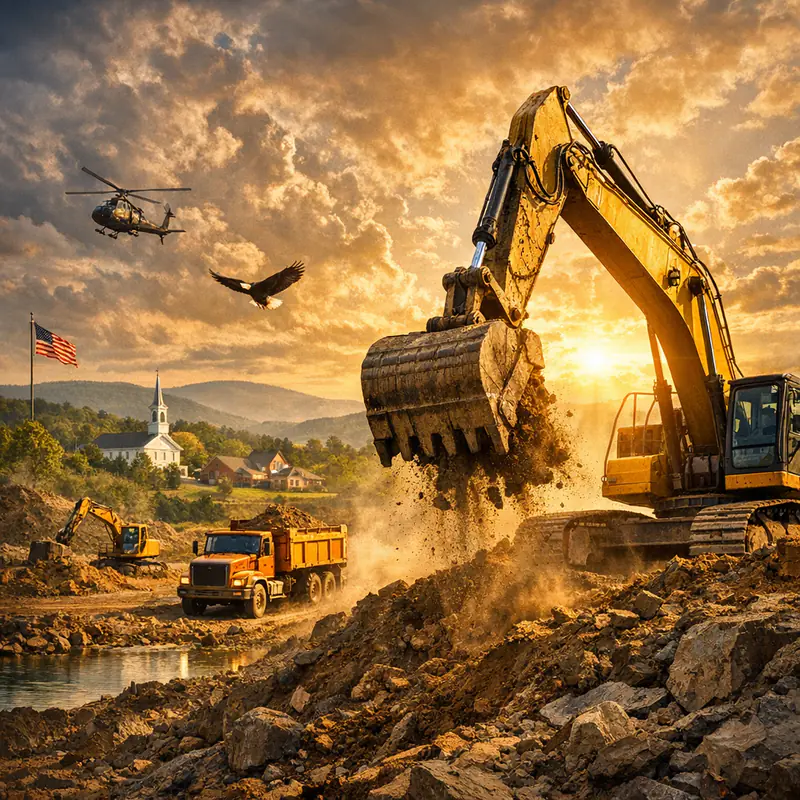
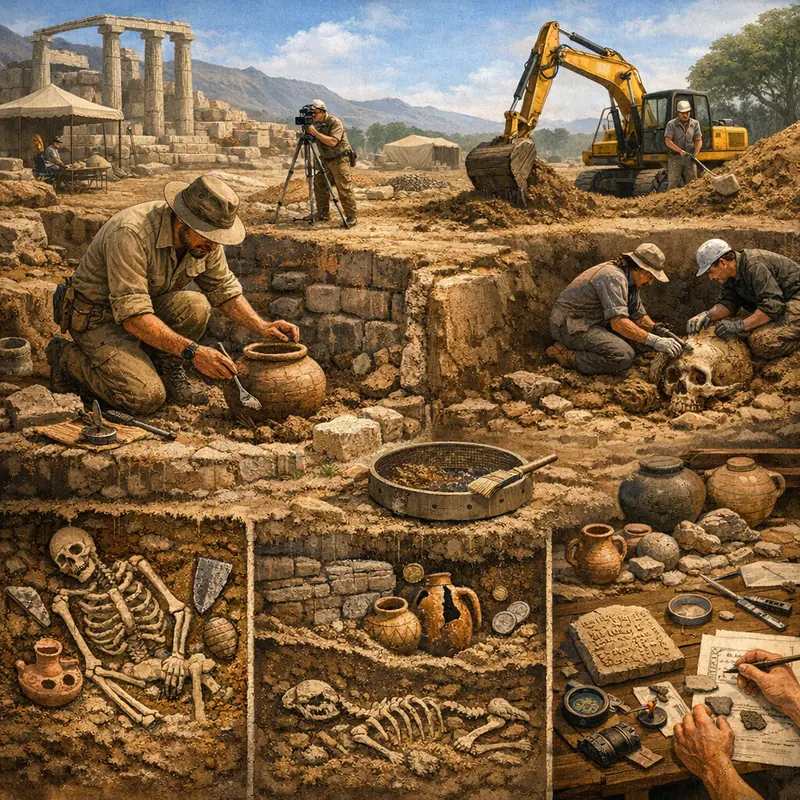
Excavation, a term that resonates with the act of unearthing, is far from a simple process of digging a hole. It involves the intricate task of removing earth, rock, or other materials, often employing a range of tools, sophisticated equipment, or even explosives. This process is a cornerstone in the realm of construction, demanding a profound comprehension of soil types, meticulous contemplation of environmental factors, and strategic planning.
Unveiling the Concept of Excavation
The work encompasses removing earth, rock, or other materials, often employing a range of tools, sophisticated equipment, or even explosives. Each project carries its own logic of where to begin and how deep to commit, and the choice of method shapes everything that follows.
The Indispensable Role of Excavation
Excavation serves as foundational infrastructure for construction projects. Poor execution can cascade into delays, cost overruns, and structural failure. During utility installation, precision placement of pipelines for water, gas, and electricity prevents system overlap and catastrophic incidents like water main ruptures or gas leaks.
To illustrate, consider the construction of a sprawling commercial complex. The excavation process here is the determining factor for the structure’s stability. An oversight in soil compaction can lead to the structure settling unevenly, resulting in cracks and subsequent structural damage — the kind of work an outfit like Roberts Construction Excavation Plainfield CT exists to prevent.
Diverse Forms of Excavation
Topsoil excavation removes the uppermost organic-rich layer before construction begins. Rock excavation addresses sites with rocky terrain, requiring specialized machinery or explosives for fragmentation and removal. Each form has its own pace and its own risk profile.
Techniques Employed in Excavation
Methods vary by project scope: manual excavation uses basic hand tools for smaller projects; machine excavation deploys heavy equipment like backhoes and bulldozers for larger undertakings; hydraulic excavation utilizes high-pressure water jets, particularly beneficial in urban settings to minimize disruption.
Confronting Challenges in Excavation
Diverse soil compositions present obstacles — clay requires specialized techniques while sandy soil risks collapse. Environmental concerns include soil erosion and sediment runoff. Urban projects must navigate existing utility lines carefully.
Wrapping Up the Dig
Successful excavation requires harmonizing knowledge of soil types, environmental considerations, diverse methodologies, and meticulous planning throughout the construction lifecycle.